We are currently looking for people to share their stories for Time to Talk week! If you have ever experienced something to do with Stuttering, Stress or Mental Health and would like to share your story then please get in touch!
If you know anyone or have a story you would like to talk about, please let me know! The story can be as long or as short as you want, it’s the message that’s important. If you have a story but are unsure about how to write it, I can help you out with that as well. If you are nervous about sharing your story and want to do it anonymously then that is completely fine as well!
In regards to when I will need the stories by, any time is fine! If you can get it to me fairly quickly then even better but if not then simply get it to me when you can. When you send it to me I will read it through and then if it reads well and has no mistakes, it will be published shortly after. If I have any suggestions for edits or changes then we will discuss them first before we move forward.
Thanks for reading! If you have any ideas or suggestions, please get in touch! See you all in the next blog!
Sweeney’s Blogs
Any money donated here will be put back into the business. This can be through marketing campaigns, upgrades to plans or for setting up future events!
Often, we think in terms of perfection. Everything in its place, just the way it is supposed to be. Perfect. Anything short of that is considered disappointing. But, what happens when we fall short of these expectations? When the kitchen always has pieces of mail scattered on the dining table and crumbs on the floor. […]
Excellent post that was written by Cristian Mihai. If you enjoy this post, be sure to check out his other blogs!
“The struggle alone pleases us, not the victory.” – Blaise Pascal It is a well known fact that the more effort you put into something, the more you end up enjoying it. Maybe that’s why we love unrequited love stories and folks who defy odds and expectations to come out on top. Maybe not many folks […]
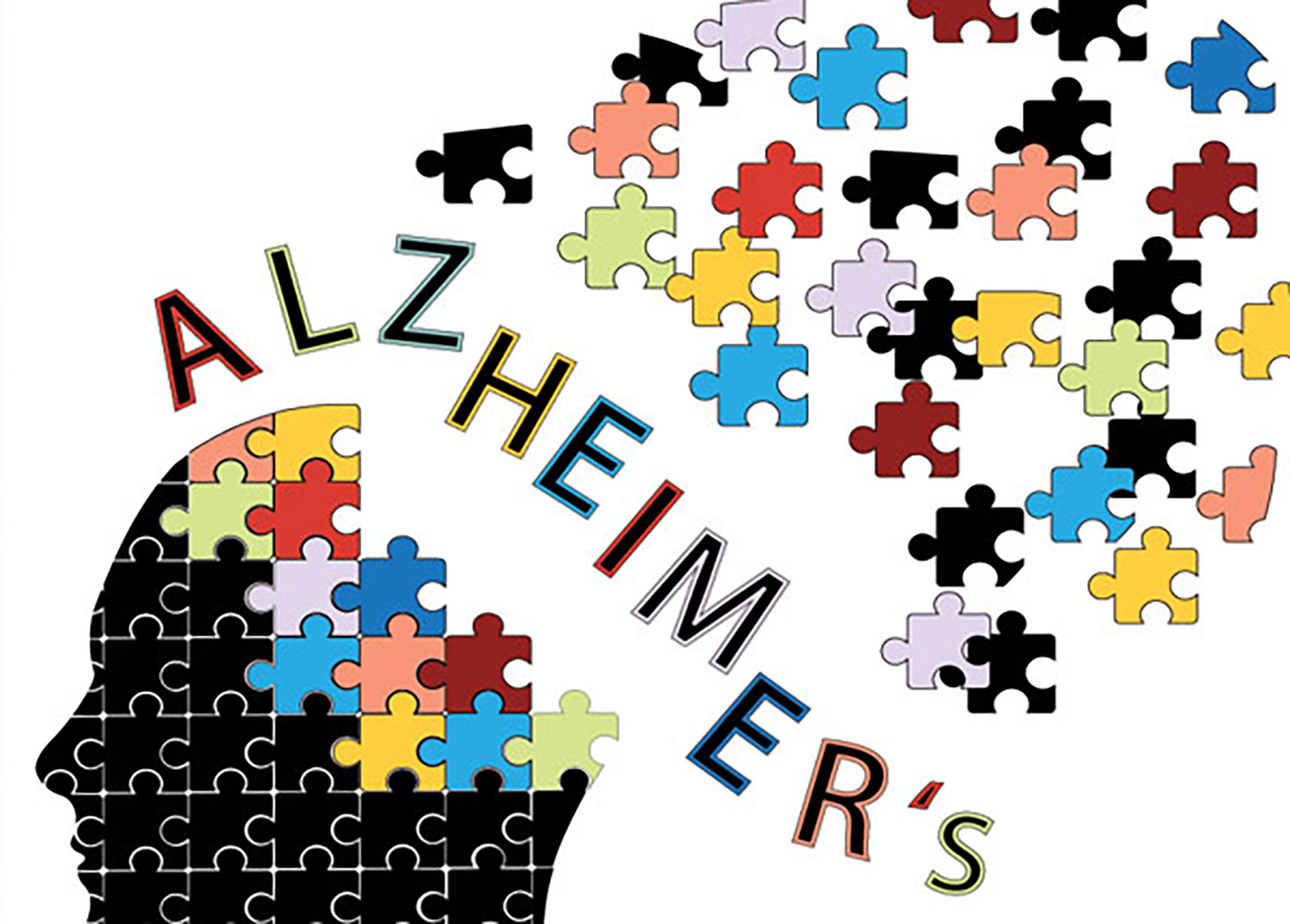
With a forever increasing population, and with people living longer, there are more and more people being diagnosed with Alzheimer’s and Dementia each day. That fact in itself is scary however it gets worse when we look at how many people actually understand what Alzheimer’s is. This is going to be what we are going to be talking about in today’s blog, what exactly is Alzheimer’s?
Hello and Welcome to Sweeney’s Blogs!
Today’s blog is the 12th blog in the Alzheimer’s Avoidance series and is going to be about understanding Alzheimer’s. It is easy to say that Alzheimer’s is just losing your memories but it is so much more than that. Alzheimer’s and Dementia are two very severe conditions that can potentially lead to death. If we know what Alzheimer’s and Dementia actually are and the differences that lie between the two, then I believe that we will be in a position moving forward.
We’ll first take a look at a video published by Bupa Health UK that looks into the differences between Alzheimer’s and Dementia:
As you can see from the video there is a clear difference between Alzheimer’s and Dementia. It is important to remember this difference when talking about each of the conditions. Despite this difference, there are quite a lot of similarities between the two regarding how they affect you and what happens when they both progress and get worse.
One of the common mistakes that I hear when talking to people about Alzheimer’s is then saying that Alzheimer’s only makes people lose some of their memories. I have learned the hard way that this is simply not the case. Alzheimer’s is a cruel condition which takes a person you love away from you and then leaves them as a shell of what they once were.
Alzheimer’s is a horrific condition that sadly people don’t understand until someone they know gets diagnosed with it. People do lose their memories, yes, but they also do so much more. They forget how to walk, how to talk and eventually how to even breathe. Alzheimer’s and Dementia both can kill. It is something that is barely ever spoken about but it is a reality when talking about the two. They are very dangerous illnesses that if not handled with care, can become deadly.
This blog isn’t meant to sound negative, it is just meant to be completely honest. From my experience, I would have loved to have known more about Alzheimer’s before my grandmother was diagnosed with it. Learning about the condition whilst watching it take your loved one away is a painful thing to do and I feel like we should try and change it. Understanding can take a while but it is a part of life and is something that we all do eventually.
One thing that I want to mention, a thing that I wish I understood at the time, is that Alzheimer’s doesn’t wait. Alzheimer’s doesn’t stop and wait for your approval or for you to be ready when it starts affecting someone. You need to make the most of the time you have left because honestly, it will get harder as time goes on and as I have mentioned it doesn’t wait for you.
The fact that it doesn’t wait for you again isn’t meant to scare you, it is the harsh reality of the situation. If you wait a few weeks for Alzheimer’s to ‘blow over’ then I’m sorry to say that you have wasted those weeks out of the time that you had left. You need to make the most of the person while they are still there. Go out to the beach, take that trip, have that photo. Get things done while you can, you will feel glad about it eventually.
There is a lot more information out there about Alzheimer’s if you do want to learn more. There are blogs and series on this page, you have organisations such as The Alzheimer’s Society and you can ask your GP. If you’re looking for stuff on this page I would recommend either searching ‘Alzheimer’s’ on our page search bar or read the blogs on Alzheimer’s in our Blogapedia! If you have any questions let me know!
That’s all I want to talk about in today’s blog! I think that today’s blog is the penultimate blog in the Alzheimers Avoidance series! There have been a lot of blogs in the series now and I feel like I have covered a lot of what I set out to cover. What do you think of today’s blog? Have you enjoyed the Alzheimer’s Avoidance series? Do you know what Alzheimer’s and Dementia are? Let me know what you think!
Thanks for reading and I hope you have a great day!
Sweeney’s Blogs
Any money donated here will be put back into the business. This can be through marketing campaigns, upgrades to plans or for setting up future events!
The festive season is upon us! Christmas is one of the busiest and greatest days for most during the year but is a day that no one forgets. This blog is going to talk about Alzheimer’s during the Christmas Season!
Hello and Welcome to Sweeney’s Blogs!
Today’s blog is the 11th blog in the Alzheimer’s Avoidance series and is going to be about Alzheimer’s at Christmas time(can be linked to other holidays as well). We are going to be looking at how Alzheimer’s can affect you as a family. The blog will look at the positive sides as changing the way that we think about certain things, from a negative view to a positive one, can make a very large difference on your view of life!
It may seem quite difficult to think about Alzheimer’s in a positive way around Christmas time but it is something that I would like to take a closer look at. Christmas for me, as it is for many, is all about family and the time in which you spend together. I was speaking to a friend of mine in University last week actually about Christmas with Alzheimer’s, as his grandmother has it as well, and he didn’t seem as excited about Christmas as I had expected.
Whilst talking to him he said, “Christmas will never be the same in my house as my grandmother doesn’t remember my name as much anymore”. I didn’t really know what to reply to that but after a minute I knew what I was going to say. I decided to try and turn his view from a sadder, more negative one into a happier, more positive one. I haven’t really tried to do this when dealing with issues like Alzheimer’s before but soon found out it was very similar to tackling other issues and problems.
The first thing that I asked him was, “Will your grandmother be with you at Christmas”. He replied with yes in a way but her memories are fading. I knew after this response that the way he was looking at it could be changed. One of the things that I talk a lot about when it comes to Alzheimer’s is that you have to try and make a new and better memory to replace each memory that gets stolen by Alzheimer’s. It is a phrase that I like to think helps and is one that I talk through a lot on my Alzheimer’s Awareness page, Don’t Forget Me, http://www.dontforgetme.org.uk.
The way that I handled my friend’s issue was indeed by convincing him that instead of seeing Christmas as a sad time, try to make it better. Talk to your grandmother about the good times you had, share stories and experiences, have a good time and try to cherish it. I said how it is easy to always think about things in a negative light, I often do, but if you just try and see the other side, it doesn’t look as bad as you first thought. After I told him this I gave him a few minutes to think about it and then he seemed a lot more relaxed. A small little conversation see, can make the world of difference.
That is the point that I want to bring home. Alzheimer’s will try to steal all of your memories, why not make new and better memories to replace the ones that are lost? Just because the person suffering from Alzheimer’s doesn’t remember something, doesn’t mean you can’t remind them. Talk about the memory as a story, explain what happened, try and help them understand, it might make you feel a lot better.
As always too patience is key when it comes to Alzheimer’s. I fully understand that Christmas can be very stressful but try extra careful not to lose your cool if the person suffering from the terrible illness can’t remember something, they are trying their best after all!
That’s all I want to talk about in today’s blog! It’s nice to be back writing a little bit more, haven’t written a blog in over a week now! What do you all think? Are you looking forward to Christmas? The blog today can be applied to every other holiday, I just felt like it was a relevant time to relate it to Christmas!
Thank you all for reading and I hope you have a great day! See you in the next blog!
Sweeney’s Blogs
Any money donated here will be put back into the business. This can be through marketing campaigns, upgrades to plans or for setting up future events!
🌼🌼🌼HAPPY THANKSGIVING🌼🌼🌼 Can you believe it? It’s that time of the year again when we come together to give thanks and celebrate. I just want to use this opportunity to wish everyone a happy thanksgiving, I also want to welcome my new followers, thank you so much for the follow. I have put together some […]
For a lot of us our work schedules at home and at our jobs have been a major source of complications in our lives. Our financial well being depends on our paycheck, and our mental and emotional well-being depends in part on having a well-organized life. But a few simple changes in your life can…
Accepting Alzheimer’s is a concept that a lot of people take a while to understand. I understand first hand how hard it is to accept that someone you love has the condition but if we don’t accept it then it’s going to negatively impact not only us but the actual person with Alzheimer’s down the line. Today’s blog will be looking at Alzheimer’s Acceptance in regards to reducing your chance of getting the condition!
Hello and Welcome to Sweeney’s Blogs!
Today’s blog is going to be the 10th blog in the Alzheimer’s Avoidance series and is all about how Accepting Alzheimer’s can help reduce your chance of getting Alzheimer’s in the future. The topic of Alzheimer’s Acceptance is one that I have covered on the page previously but I feel like it is important to recognise for this series. If you would like to see more on Alzheimer’s Acceptance in a deeper version though I highly recommend checking out my Alzheimer’s Acceptance series in the Blogapedia!: https://sweeneysblog.com/blogapedia/
Acceptance is a term that although the majority of people know the definition of, not many seem to think of the implications that it can have in life. Accepting Alzheimer’s, despite how hard it can be, can have huge implications in relation to slowing the speed of deterioration. The following video shows us some tips as to how to accept that someone is suffering from Alzheimer’s:
The concept of lying to someone who has Alzheimer’s is always a topic that is discussed heavily. It is only natural to not want to lie to a loved one but sometimes you just have to do it. It is the only way to calm them down and make them relax. Relaxation, although it may seem like it, can help reduce the rate in which conditions such as Alzheimer’s do deteriorate which can be a great thing to consider down the line.
Even if it doesn’t seem like it creating a happy, welcoming environment in which no one feels stressed or threatened can go a long way in reducing someone’s chance of getting Alzheimer’s! This blog is meant to be a short one but if you do want to see more about Alzheimer’s Acceptance please check out the series in the Blogapedia!
That’s all for today’s blog! Thank you all for reading! When I started writing today’s blog I felt like a shorter blog would be much better than a longer one. It helped focus the message of the blog whilst also being easy to write and edit.
Thanks for reading and I hope you have a good day,
Sweeney’s Blogs
Any money donated here will be put back into the business. This can be through marketing campaigns, upgrades to plans or for setting up future events!
Have you ever wanted to learn a new language? Have you ever thought of what knowing more than one language can do to you? Research shows that learning more than one language can help reduce your risk of getting Alzheimer’s! What a motivating factor! We’ll take a deeper look into it in today’s blog!
Hello and Welcome to Sweeney’s Blogs!
Today’s blog is going to be the 9th blog in the Alzheimer’s Avoidance series and is going to be about how learning a new language can help reduce your chance of getting illnesses such as Alzheimer’s/Dementia. As I say for every other blog in this series, the solutions and methods that I share are not guaranteed to work and you know what they say, it doesn’t hurt to try!
Let’s watch a short video first to gain a basic understanding of how knowing more than one language can affect Alzheimer’s:
I found the video to be really insightful and I would just like to go through a few of the notes that I made whilst it was playing.
The first point that I noted down was that people who spend the majority of their lives can postpone symptoms of Alzheimer’s for around 4-5 years! 4-5 years, isn’t that incredible! Let’s put this into context. Say you were going to get Alzheimer’s and there was no way around it. Wouldn’t it be so much better to get Alzheimer’s at 84/85 years of age compared to 80 years of age? I fully understand in an ideal world you wouldn’t have it all, but 4-5 years difference is enormous!
The second point that I took down was that bilingual minds tend to be more connected and usually respond better to conditions such as Alzheimer’s compared to a monolingual brain. This is due to the fact that a bilingual brain is more connected and has a more robust set of mental activities and components. Wouldn’t you agree that having an extra layer of defence against a condition as cruel as Alzheimer’s is a great thing? Personally, I think it is great as you do not even have to be fluent at using the language, just having a basic understanding helps!
One of the last points that I want to pick up on from the video is about a survey that was completed in Luxembourg. The video tells us that a study taken in Luxembourg found that people who knew three languages were even better off in regards to being less likely to have Alzheimer’s compared to bilingual people. It is like I say in a lot of these videos, it is all down to the mental stimulation your brain gets.
Mental Stimulation is one of the biggest variables when it comes to Alzheimer’s, arguably the biggest. The question that I always think is why wouldn’t you do things like puzzle games or in this case learn a language if you knew that it could reduce your chances of getting Alzheimer’s/Dementia? It’s a question that I always ask and the people who respond don’t really know what to say.
One of the things that I like about this method of reducing your chances of getting Alzheimer’s is that you do not even have to be fluent in the language that you choose to learn. Even if you only know the basics, you will still be a lot better off. The question people always ask is how do I learn a language? The response I give, use the internet!
The internet is the worlds biggest resource of information and is a database of different information. Depending on how you learn: you can watch videos on YouTube, take tests and courses on DuoLingo or even just follow a tutorial on a random website. There are a million different ways to do it, why not try one of them?
Let me do a quick example. Let’s say I wanted to learn how to start speaking Welsh and I liked learning through YouTube videos. the first thing I would do is type in Welsh for beginners into the YouTube search bar. When I press enter a whole barrage of different videos come up on my screen. It is now up to you to pick one to use.
I have chosen one that it is fairly informal and I feel like I can watch it and stay calm. The creator is also learning with us and that just makes the content more relatable in my opinion.
Although the content that Will covers each video is pretty basic, you will start to see a gradual progression in the use of the language. I quite like going back to his videos every now and again as I feel like it is good to refresh the fundamentals of languages you learn. The best thing about using YouTube videos too is that you can pause them and even go back and watch part of it again! That is only a quick exaple into how to start learning a language but I feel like itshows how easy it can be!
That’s all I wanted to talk about in today’s blog! I feel like the two-week break we have had in this series, caused by changes to the Blogapedia last week, have made the world of difference! I have more of an idea about how I want to style the blogs going forward and I think I can do them better than I could before. What do you think of today’s blog? Do you prefer it when I use photos and videos or not? Do you know more than one language? If so which ones do you know? Can you think of any other ways to reduce the risk of getting Alzheimer’s?
Thanks for reading and I hope you have a great day!
Sweeney’s Blogs
Any money donated here will be put back into the business. This can be through marketing campaigns, upgrades to plans or for setting up future events!
Today’s blog is a guest blog written by one of our readers, Rebecca Sutcliffe-Major! The blog is about how being a mother can be a very hard job and to never give up. You may make mistakes from time to time but it is all a learning process. Remember the job you are doing, the value it brings to the world and try not to beat yourself up if things seem to go wrong. Hope you enjoy the blog!
One thing that all mums have in common and most don’t even know it. We all at some point are adamant we are ‘mumming’ wrong. I worked full time in management to help support my family while trying to further my education to better our future. The response I got from others “don’t you miss your kids?”, “shouldn’t you be spending more time with your family?”. Then when I gave up working so I could concentrate on my children and my education I had comments such as “don’t you think you should work to help out your husband?”, “Are you setting the right example for your kids by not working?”. All the while inside my head I’m screaming “ARE YOU SERIOUS!”.
On the outside, I look like I have it all together, on the inside I am full of self-doubt and anxiety. When I worked, I was in smart clothes, makeup done, hair done, nails done but I worried about my kids missing me. Now I’m out of work, I look neglected and I’m worrying that I am not occupying the kids time in the right way like they had a nursery. There is no end!
I was adamant that once I finished work, I would have an amazing routine and do crafts with them, make home-cooked meals and basically be an amazing mum. Oh boy, was I wrong!!
After the first week at home, I was so very tired. ‘Mumming’ full time is hard work. Running after a 1 year old and school runs really take it out of you. Even the little things were hard.
Something as simple as putting down the baby for a nap, then I can shower or clean or do the washing. NO! Baby decided that napping was beneath her and spend 30 minutes singing and shouting before I gave up and brought her back downstairs. But it’s ok… I spent that 30 minutes cleaning the living room, I was productive!
The baby was then in the living room eating a banana while watching tv, coolies… I’ll clean the kitchen. NO! Baby decided that playing on her own while watching tv was not acceptable. I walked into my living room and it was trashed. The one-year-old hooligan had thrown toys, cushions, banana peel everywhere. Clearly, she’s not to be left alone.
Next thought…. Why don’t you help mummy!!! NO! She proceeded to pull things out of the washer before I could fill it and set it going. Then she got distracted …. I managed to put the washer on, turned around…… oh hell, the baby is playing with the cat bowls ….. biscuits and water all over my kitchen.
Bath time …. Ended with both me and my bathroom soaked. We were now late for the school run. I turn up at school soaked and looking like id been dragged through a hedge backwards. Get the kids home my eldest says “mummy why is it so messy?” REALLY KID!!
I managed to get them to play nicely together while I tried to tidy around them, then moved into the kitchen to sort out the washing (which as it turned out I set off gong without putting in any washing powder or fabric softener). Back to the living room……trashed. My husband comes home ….. “what happened here?” I’m stood there, baby in one arm and wet unwashed washing in the other, surrounded by toys. It actually looked like I had done nothing all day.
I felt like such a failure. I can run a business, manage staff, deal with customers, do the rotas, create strategic plans. But I couldn’t keep my cool with the kids, I couldn’t keep my house in check, I couldn’t have tea ready for when my husband got home. I was in jeans and a hoodie all day, no make-up, hair a mess. I looked nothing like I was used to. All these goals that I was adamant I could do, turns out I couldn’t. I thought when I gave up work I would have less stress which would lower my anxiety and make me a happier person to be around. This went on for weeks. I made myself feel worse with all the bad thoughts. My depression spiralled downwards; I could feel myself loosing. I went back to the doctors thinking I was getting too bad and I cried a lot.
Then it occurred to me, who cares. My children are happy, fed and well looked after. Who cares if my house is a mess, who cares if I am a mess, who cares if my husband has the opinion that I am slowly going insane after watch re-runs of Pepper Pig all day! The only person who actually cared about it was me. My husband and my kids want me healthy and happy, that’s it!
Once I stopped putting all the extra pressure on myself, I got into a rhythm. School run, nap, clean, lunch, play, school run, tea. Don’t get me wrong, it is not easy and most days the cleaning won’t get done until the kids are in bed. My house is nowhere up to the standards that it used to be and I still don’t always have time to sort myself out.
Without putting standards on myself I started to feel better. I was smiling more and laughing more. I’m still struggling with inner demons and I will be for a while. There is no quick fix and some days the only thing that gets me through the day is a cheeky smile from a one-year-old hooligan.
The NHS states that 1 in 10 people have clinical depression[1]. In 2018 Forth conducted a survey which stated that 42% of women admitted that they were ‘too stressed’[2].
The message I want to get out there is ‘mumming’ is hard, you are not overreacting, you are not worthless, and you may have days when you feel like a failure but it’s ok. We are all feeling that way. You are not alone. You may make some mistakes but it is all part of the process. Remember we can only learn from a mistake if we actually make it in the first place.
Thanks for reading! What do you all think? Would you like to see some more blogs by Rebecca? Let me know your answers to the above questions and any other questions or queries you have either in the comments below or via our Facebook page!
Thanks for reading and I hope you have a great day!
Sweeney’s Blogs
Any money donated here will be put back into the business. This can be through marketing campaigns, upgrades to plans or for setting up future events!
Decision Making – It is something that we take advantage of in day to day life but did you know that it can help slow the rate of deterioration in diseases such as Alzheimer’s? that is exactly what we are going to be looking at in today’s blog, Decision making and how it impacts illnesses such as Alzheimer’s.
Hello and Welcome to Sweeney’s Blogs!
Today/s blog is going to be the eighth blog in the Alzheimer’s Avoidance series and is going to be about Decision Making. Although it is an often overlooked thing in life, the ability to make decisions does have a large effect on us and our bodies. In my opinion, this is because it causes the brain to think and plan decisions out before making them.
Mental Stimulation is an entity that we talk a lot about in this series and it is down to the fact that it is one of the largest factors when it comes to Alzheimer’s. Keeping the brain active and going seems like an easy thing to do when in reality, if not executed well, it can become really difficult. It is why I draw so much attention to it in this series. Tasks like puzzle games and indeed making decisions do make a difference, I am not saying that the difference is always huge, but a difference still is a difference.
So the question arises, how do we get someone with Alzheimer’s to practise decision making?
When it comes to decision making, there are a lot of different avenues you can take. there is no right or wrong answer in regards to which route you choose, it is all down to personal preference. One of the things that I find curious is how everyone seems to undervalue the smaller decisions that we make in life. Although the smaller decisions seem small and unimportant at first, when they build up they make quite the difference.
One of the main routes you can take is smaller and more frequent questions/ decisions. Ask regular questions like how are you feeling? Or maybe questions like what did you do yesterday or how did yesterday go? Although the questions seem really basic they do at least gauge some stimulation from the other person which can make the world of difference.
if you go out for a meal then it gives you the perfect chance to practise decision making. if the person you are with has Dementia/Alzheimer’s then really think about how you go about speaking to them.instead of just assuming that they want what they usually get, use the chance to ask questions. Ask them what would you like? or maybe questions more like, would you like the cod or the steak?
What you may start to notice is the actual question you ask is not important. it is the mental stimulation that is generated from asking the question that is the important thing. If you just sit in the same four walls in complete silence then you are increasing your chance of getting illnesses such as Dementia and Alzheimer’s. Take some time out of your day to really think about how you are going about your day to day life. Make a change sooner rather than later, when you still have time to change.
That is all I want to talk about in today’s blog! Thank you all for reading! What do you all think? Do you think decision making has an effect on someone getting Alzheimer’s? Do you know any tips or tricks to reduce your chance of getting Alzheimer’s? if so please let me know! Feedback is always appreciated – be it negative or positive!
Thanks for reading,
Sweeney’s Blogs
Any money donated here will be put back into the business. This can be through marketing campaigns, upgrades to plans or for setting up future events!
Similar to most illnesses and conditions in life, Early Identification can make the world of difference. AT the end of the day if we do not know that we have something, how are we meant to try and cure/treat it? Today’s blog is going to look at how early identification can be a great thing to do when it comes to Alzheimer’s and Alzheimer’s Avoidance.
Hello and Welcome to Sweeney’s Blogs!
Today’s blog is the seventh blog in the Alzheimer’s Avoidance series and is going to be about Early Identification. Early Identification is the process of identifying if you do have Alzheimer’s/Dementia, or indeed any other medical condition, at an early stage to ensure that you can plan out your treatment plan carefully and you can take steps to try and reduce the risk of it getting worse.
To many, the concept of knowing that they have Alzheimer’s is a daunting one but is it really a bad thing? I fully understand that learning that you may have a condition such as Alzheimer’s can be absolutely horrifying news but it is still better to identify earlier rather than later. We need to try and flip the negatives we have about identifying it earlier to really see the positives.
Firstly if you do unfortunately have a condition then you will be put on the system. I know that being on the system doesn’t always help but it can make a big difference for things such as medication. If you find out that you do have Alzheimer’s then you can talk through possible medication that you can take with your doctor.
I am no medical expert but there are a lot of different types that all do different things. Some are designed to slow the speed that your mind deteriorates whereas others are designed to calm you down and relax your mind before you go into phases such as sundowning. Medication isn’t guaranteed to work or isn’t definitely going to help but isn’t it better to try and see?
As well as the medical positives, early identification can be a massive help to your family and friends. Even though it will be a massive shock for them at first, after they have processed what is happening, they will have more time to try and help you. There are things that family and friends can do to try and slow down the rate in which Alzheimer’s deteriorates and with early identification, they will have more time to try and figure out which methods work and which don’t.
In regards to what methods family and friends can use to try and reduce the rate in which Alzheimer’s deteriorates, I would advise following some of what the other blogs in this series say. Doing things such as regular exercise and puzzle games aren’t guaranteed to work but it is still better to try them in the chance that they do work.
Now briefly onto how you can identify if you have Alzheimer’s at an early stage. The one thing that I would say here is if you start noticing that you are forgetting things more than usual or your mind is going funny, go and see your doctor. The same goes with family and friends if you see someone you know start to lose their memory and forget things like their names, the date, etc, then advise them to go to the doctor. The doctor can then book them in to do a memory/Alzheimer’s test and appropriate measures can be taken from there based off of the result. If it comes back that you do not have Alzheimer’s then that is an added bonus, it is better to be safe than sorry!
That is all I want to talk about in today’s’ blog! Thank you all for reading! What do you all think? Do you think early identification is important? Do you want this series to keep going or should I end it soon? Let me know what you think to those questions and any other questions you have in the comment section below!
Thank you all for reading and I hope you have a great day,
Sweeney’s Blogs
Any money donated here will be put back into the business. This can be through marketing campaigns, upgrades to plans or for setting up future events!
When you look at your future in terms of your business and/or professional career, do you see unlimited potential or do you see a lack of opportunities? Recently, many of my clients have asked me how I remain so upbeat and optimistic about the future. They cite the predictions that claim there won’t be enough…
Short Term Memory is one of the first things that gets affected by Alzheimer’s. As Alzheimer’s disease progresses, short term memory is one of the more visible signs that there is something wrong. It begins with you not being able to remember what happened yesterday, then last week, then last month and so on. It is a very important topic to look at and it is what we are going to be covering in today’s blog.
Hello and Welcome to Sweeney’s Blogs!
Today’s blog is the sixth blog in the Alzheimer’s Avoidance series and is going to be about Short Term Memory. As I said in the introduction to this blog Short Term Memory is one of the more visible signs that someone has Alzheimer’s or that their condition is deteriorating. It is something that we have to pay close attention to and something that we need to try and identify sooner rather than later.
This short video introduces the topic from a professional’s point of view:
Larry Lawhorne tells us in the video that the first thing that people forget is what someone has just told them. Short Term Memory is affected first and foremost in nearly all Alzheimer’s patients. People start to forget their partner’s name, who they are, where they are and so on.
This progresses into affecting language skills, such as forgetting certain words. The example used in the video was surrounding a pen. A person with Alzheimer’s could forget what a pen is and have to explain what it is to you for you to tell them the word. As we saw in the video Larry describes the pen as something you hold in your hand to write with. Now I fully understand that if you do not know someone with Alzheimer’s then this might not sound real, but it really is.
When planning this blog out I thought of two different angles that I could take. The first one was to go into great detail about what happens to short term memory when it is affected by Alzheimer’s. This was the one I was going to go with when I realised something. This series was designed to talk about how we can reduce our chances of getting Alzheimer’s, not just about how memory is affected by the cruel disease. That is why I have instead chosen to go with the second plan.
The second plan was to talk briefly about how Alzheimer’s affects short term memory and then talk about how we can use this to our advantage in trying to reduce our risk of getting Alzheimer’s. This is the plan that I am using for this blog. We have already gone over how it affects short term memory and the video goes into a little more detail by talking about how it affects the Hippocampus part of the brain.
So the question arises now, how do we try to maintain our short term memory?
There are a few different ways that we can try to maintain our short term memory. Firstly is by simply asking questions about what happened recently. What you could try to do is recap what has happened over the past day, then the past week, then the past month. This will help ensure that you are keeping your brain stimulated and are constantly thinking and recapping what is going on.
The second way is by keeping in touch with the recent news. News is a great way of keeping in the loop of not only what is going on in the world but what is going on in your local area and what is happening with your friends and family. These ways are just about remembering what has happened but there are a lot more ways to improve short term memory.
One of the ways is through mental stimulation games and memory tests. You only have to search memory tests on youtube and you can see millions of different results. There are youtube videos, websites and apps that are all designed with the intent to help you improve your memory. Use the resources that are available. They are there for a reason so make the most of them.
There are a lot of extra methods that I have not spoken about but if you do want to learn more you can always search online or message me and I’ll look into it and get back to you!
That’s all I wanted to talk about in today’s blog! Thank you all for reading! What do you think? Do you think short term memory is something we can improve? How would you improve your short term memory? Do you know any other techniques to reduce your chances of getting Alzheimer’s? Let me know what you think in the comments or on our Facebook page!
Sweeney’s Blogs
Any money donated here will be put back into the business. This can be through marketing campaigns, upgrades to plans or for setting up future events!